
Rethink the Frame. Choose Strength. Choose Steel.
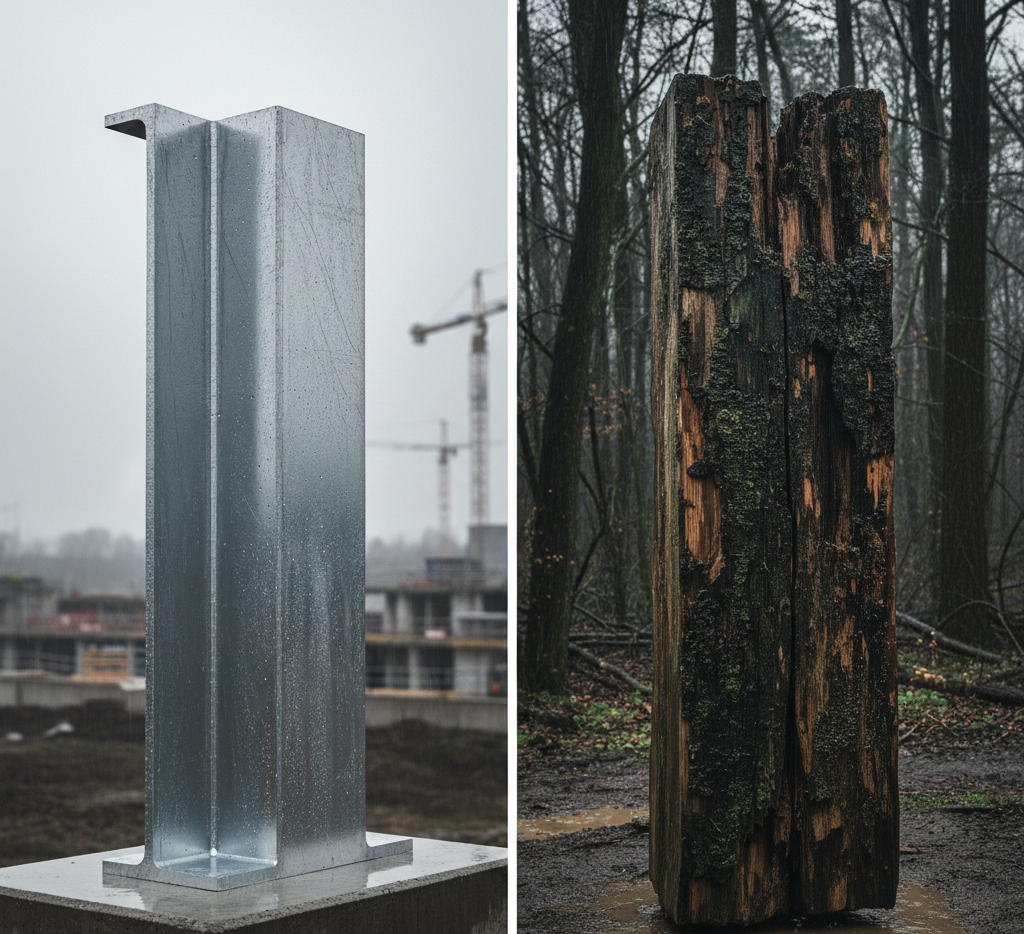
Why steel in modern construction? It delivers efficiency, lasting value, and reliable performance. With clean installation and strong structural support.
benefites of steel Framing
Stronger Under Pressure
Pest & Rot Proof
Fire-Safe & Code-Ready
Lower Cost
Corrosion Resistant
Mold Resistant
Iconic Steel Structures Around the World
Showcasing the Strength and Versatility of Structural Steel
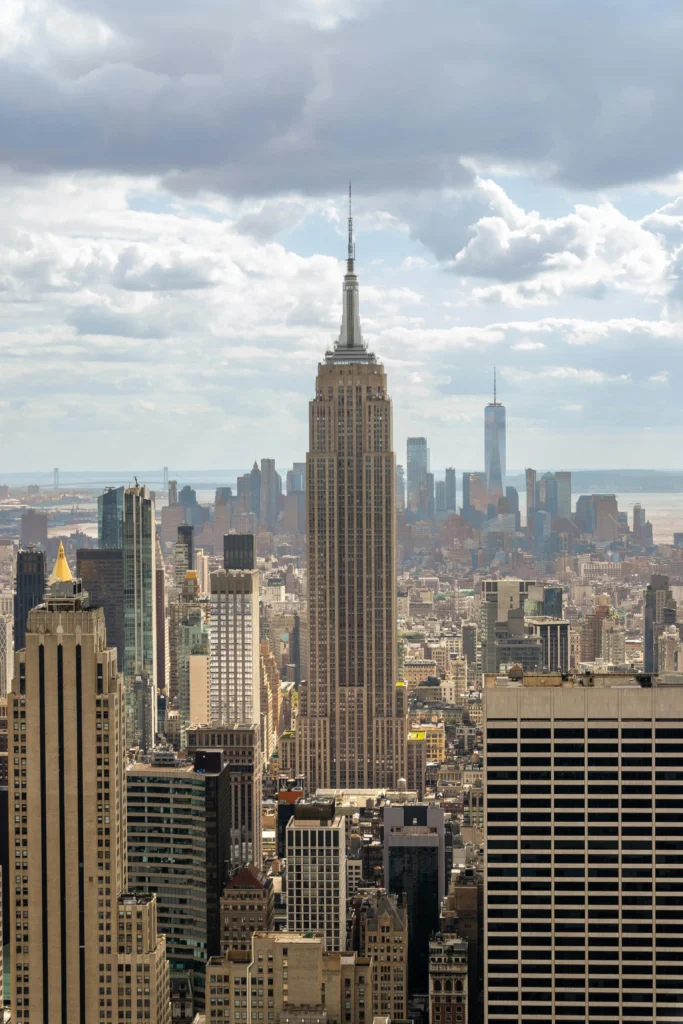
Empire State Building (NYC, 1931)

Golden Gate Bridge (California, 1937)

Willis Tower (Chicago, 1973)

Gateway Arch (St. Louis, 1965)
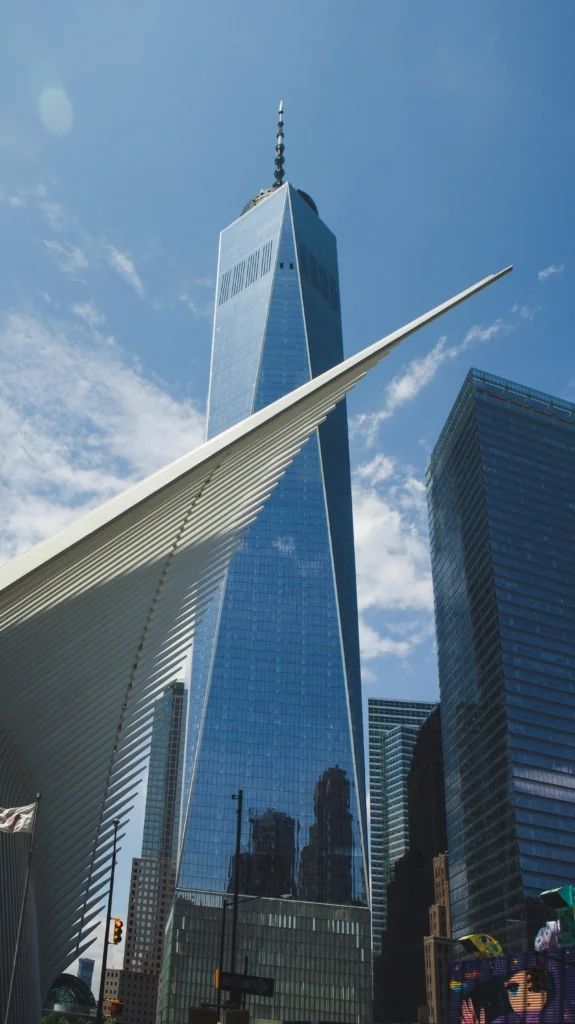
One World Trade Center (NYC, 2014)

Bank of America Plaza (Atlanta, 1992)

Chrysler Building – (NYC, 1930)
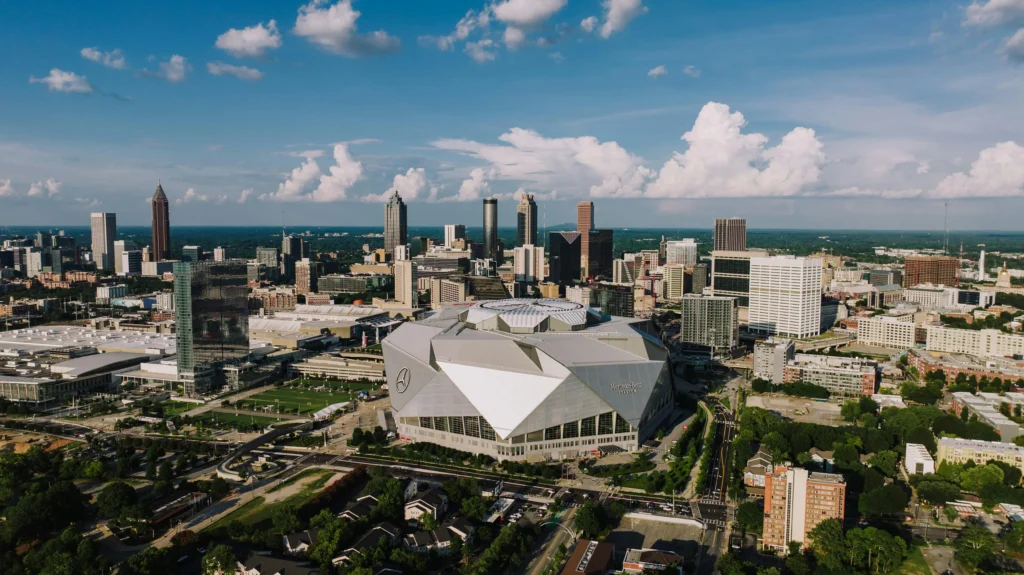
Mercedes-Benz Stadium – (Atlanta, 2017)
Why Steel?
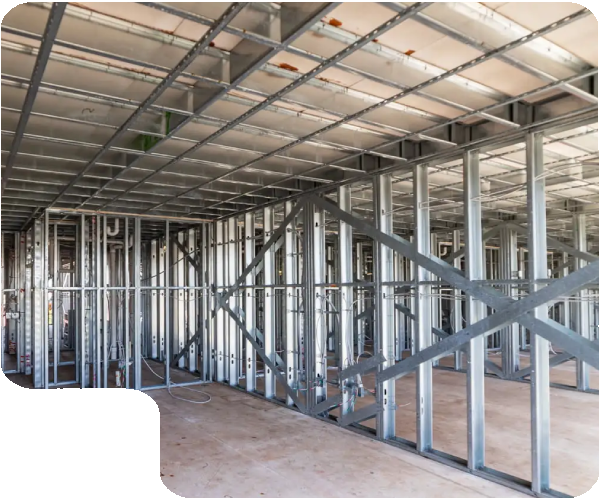
Superman, isn’t known as “The Man of Wood,” or, “The Man of Cinder Block.” So why build with these materials?
Discover Why Cold-Formed Steel is the Smart Choice for Your Next Building Project
When it comes to modern construction, steel framing stands out as the superior choice for builders, developers, and property owners who demand strength, durability, and long-term value. Cold-formed steel (CFS) framing offers unmatched advantages over traditional wood and concrete block construction.
Here’s why steel construction is the future of building.
- Superior Strength and Durability
- Hurricane and High-Wind Resistance
- Fire Safety and Non-Combustibility
- Pest and Mold Resistance
- Faster Construction and Lower Labor Costs
- Design Flexibility and Versatility
- Cost-Effectiveness Over Time
- Sustainability and Environmental Benefits

Why Steel Outperforms Every Other Material
From wood to concrete, we’ve compared it all – and steel comes out on top. Explore how our steel framing solutions offer superior strength, durability, and long-term value across every category.
Wood has long been a foundational material in residential construction due to its affordability, availability, and ease of installation. However, while traditional wood framing remains common, it does not always deliver the long-term durability, structural stability, and resistance required for modern building demands.
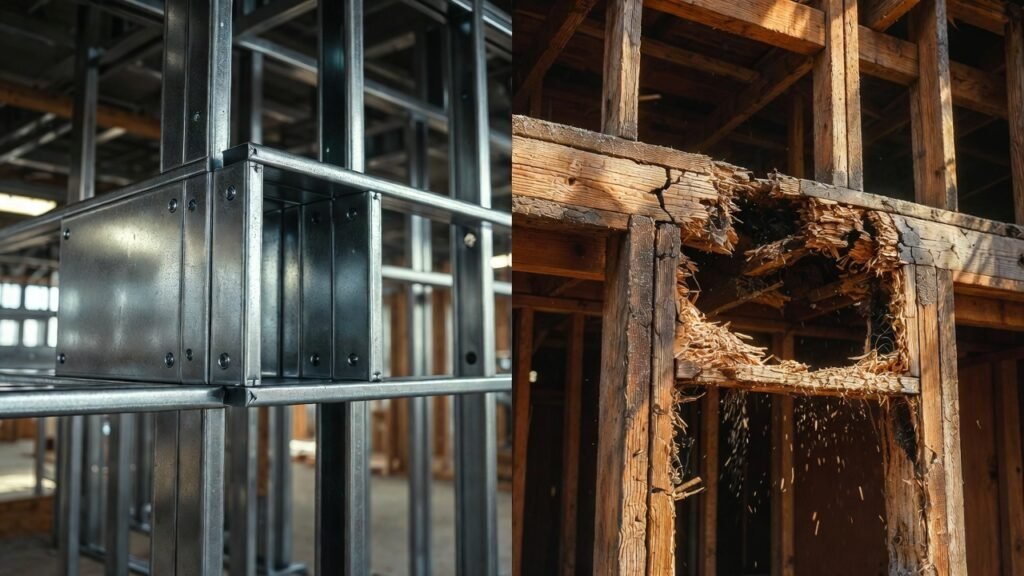
When choosing framing materials for your next construction project, understanding the differences between cold-formed steel (CFS) and traditional wood framing is critical. While wood has been the standard for decades, steel framing offers superior performance, lower lifecycle costs, and long-term value that wood simply cannot match.
Here’s a detailed comparison of steel vs wood framing across the factors that matter most to builders, developers, and property owners.
| Feature | Cold-Formed Steel Framing | Traditional Wood Framing |
|---|---|---|
| Termite Resistance | 100% immune – no chemical treatments needed | Vulnerable – requires ongoing pest control treatments |
| Fire Resistance | Non-combustible – resists up to 1,800°F | Combustible – ignites at ~400°F, fuels fires |
| Mold & Mildew | Impervious – does not absorb moisture | Prone to growth – absorbs water, rots over time |
| Warping & Twisting | Dimensionally stable – no shrinkage or movement | Shrinks, twists, warps – causes callbacks and repairs |
| Hurricane/Wind Resistance | Engineered for 180+ mph winds – meets Florida Building Code | Variable strength – can fail in high wind events |
| Structural Consistency | Factory-precision – every piece identical | Natural defects – knots, splits, weak points |
| Recyclability | 100% recyclable – infinitely reusable | Limited recycling – mostly landfill disposal |
| Construction Speed | 30-50% faster – pre-engineered, ready to install | Slower – field cutting, sorting, culling bad pieces |
| Design Flexibility | Long spans, complex shapes, mid-rise capable | Limited span – restricts open floor plans |
| Lifecycle Cost | Lower total cost – minimal maintenance | Higher over time – repairs, pest control, replacement |
| Insurance Costs | Lower premiums – non-combustible construction | Higher rates – fire and pest risk |
| Environmental Impact | Sustainable – made from recycled content | Deforestation – contributes to habitat loss |
Concrete masonry blocks are widely recognized for their durability, particularly in commercial and institutional construction. However, while they provide strong load-bearing capacity, they can limit construction speed, design flexibility, and long-term adaptability compared to more modern structural systems.
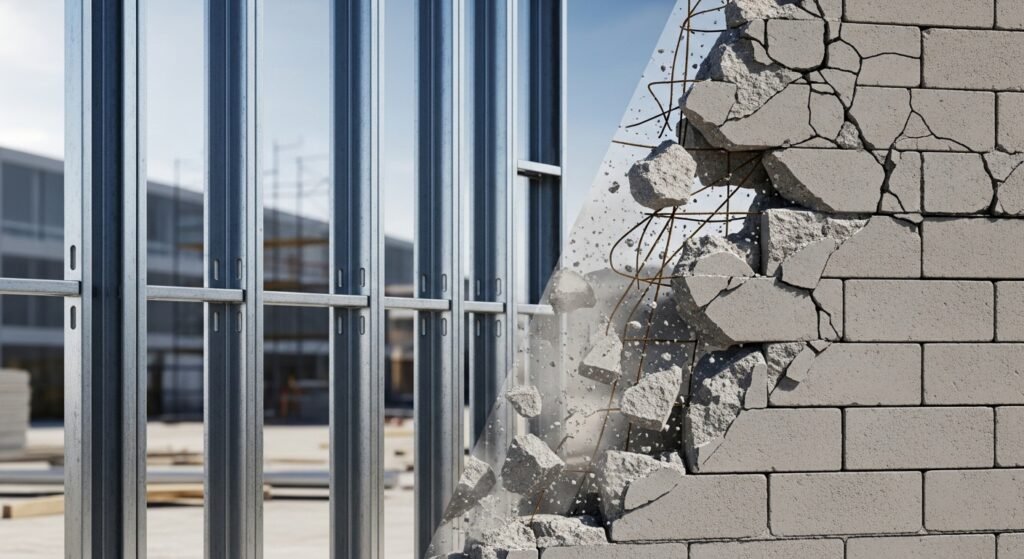
While concrete block (CMU) construction has been a staple in Florida building for decades, cold-formed steel (CFS) framing offers modern advantages that make it the superior choice for many commercial, residential, and industrial projects. Understanding the differences between steel vs concrete helps builders and developers make informed decisions that impact construction speed, cost, performance, and long-term value.
Here’s a detailed comparison of cold-formed steel framing vs concrete block construction across the factors that matter most.
| Feature | Cold-Formed Steel Framing | Concrete Block (CMU) Construction |
|---|---|---|
| Weight | Lightweight – reduces foundation loads | Heavy – requires stronger foundations |
| Construction Speed | 50-70% faster – dry construction | Slow – curing time, wet trades |
| Labor Requirements | Skilled framers – smaller crews | Masons needed – specialized labor |
| Foundation Costs | Lower – lighter structural loads | Higher – must support heavy walls |
| Flexibility/Modifications | Easy to modify – cut, drill, relocate | Difficult – cutting compromises integrity |
| Cracking | No cracking – dimensionally stable | Natural defects – knots, splits, weak points |
| Thermal Performance | Better – insulated cavity walls | Poor – thermal bridging through block |
| Moisture/Mold | No absorption – mold resistant | Porous – absorbs moisture, promotes mold |
| Hurricane Resistance | Engineered for high wind loads | Heavy but brittle – impact damage |
| Seismic Performance | Flexible, ductile – absorbs movement | Rigid – cracks under seismic stress |
| Floor Space Efficiency | Thinner walls – more usable space | Thicker walls – reduced floor area |
| Recyclability | 100% recyclable | Limited – crushing and reuse only |
| Environmental Impact | Lower carbon – recycled content | High – cement production is carbon-intensive |
Submit Your Plans for a Free Estimate
Upload your drawings and project details to begin the FSFTM process.